Definition
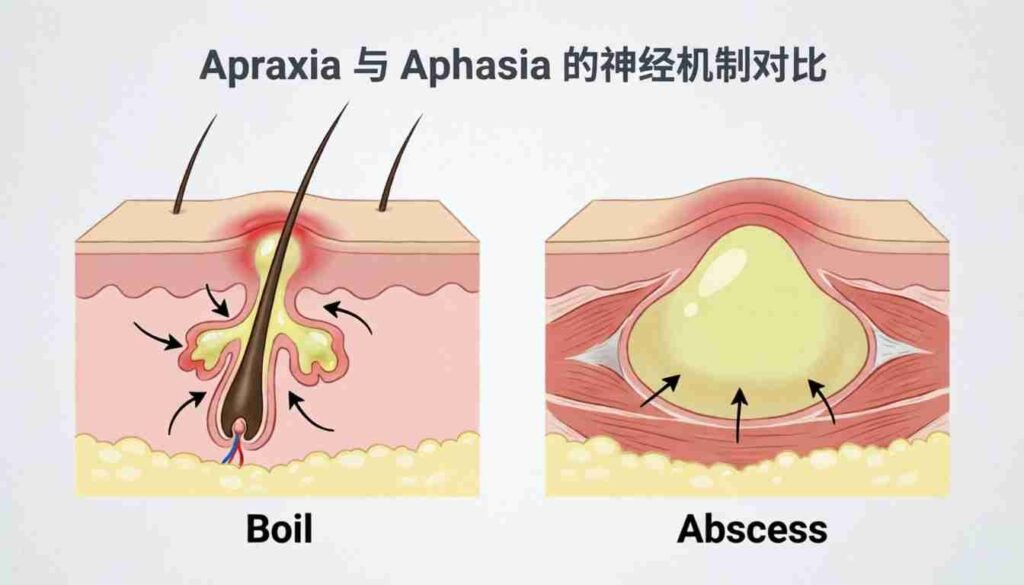
A boil and an abscess are both painful skin infections caused by bacteria, but they are not the same. A boil usually starts as an infected hair follicle and forms a small pus-filled lump, while an abscess is a deeper, larger pocket of pus that forms within body tissues.
Skin infections are common and can affect people of all ages. Among these infections, boils and abscesses are frequently confused because they share similar symptoms such as redness, swelling, pain, and pus formation. However, despite these similarities, boils and abscesses differ in severity, depth, and treatment approach.
A boil often appears as a small red bump on the skin that gradually fills with pus and becomes painful. It usually develops around hair follicles or oil glands and can eventually burst and heal with proper care. An abscess, on the other hand, is a deeper infection that forms a pocket of pus within tissues. Abscesses may occur on the skin, inside organs, or even in the mouth.
Understanding the difference between boil vs abscess is important because the treatment methods can vary. Some boils may heal with simple home care, while abscesses often require medical drainage and antibiotics. In this article, we will explore the causes, symptoms, treatments, prevention strategies, and common misconceptions related to boils and abscesses. By the end, you will have a clear understanding of how to identify and manage these infections effectively.
Quick Answer and Overview
Boils and abscesses are both bacterial infections that produce pus. The main difference is that a boil usually affects a hair follicle and stays closer to the surface of the skin, while an abscess is a deeper infection that forms a larger pocket of pus within body tissue.
| Feature | Boil | Abscess |
|---|---|---|
| Infection Type | Localized skin infection | Deeper tissue infection |
| Size | Usually small to medium | Often larger |
| Depth | Near hair follicles | Deeper within tissues |
| Common Causes | Bacteria entering hair follicle | Bacterial infection trapped in tissue |
| Treatment | Warm compress, hygiene | Drainage and medical treatment |
Definition and Explanation
What is a Boil
A boil is a painful skin infection that begins in a hair follicle or oil gland. It starts as a red tender bump that gradually fills with pus. As the infection progresses, the area becomes swollen, warm, and painful.
Boils are commonly caused by bacteria called Staphylococcus aureus. This bacteria enters the skin through small cuts or hair follicles. Over time, the body sends white blood cells to fight the infection, creating pus.
Boils often appear on areas where friction or sweat is common. These areas include the neck, face, armpits, thighs, and buttocks.
What is an Abscess
An abscess is a collection of pus that forms inside body tissues as a result of infection. Unlike a boil, which forms on the skin surface, an abscess can develop deeper in the body.
Abscesses can occur in many parts of the body including the skin, gums, brain, liver, and internal organs. They are often larger than boils and can cause more severe symptoms.
When bacteria invade tissue, the immune system sends white blood cells to the infected area. This creates a pocket filled with pus, dead cells, and bacteria. If untreated, the infection may spread to surrounding tissues.
Causes and Risk Factors
Both boils and abscesses are usually caused by bacterial infections. However, certain conditions increase the risk of developing these infections.
Common Causes
- Bacterial infection, especially Staphylococcus aureus
- Poor hygiene
- Blocked sweat glands or hair follicles
- Skin injuries or cuts
- Weakened immune system
Risk Factors
- Diabetes
- Obesity
- Poor nutrition
- Close contact with infected individuals
- Chronic skin conditions
Research shows that skin infections such as boils and abscesses account for a significant percentage of dermatological clinic visits worldwide.
Symptoms of Boils and Abscesses
Although both infections share some symptoms, their severity and appearance may differ.
Boil Symptoms
- Red painful bump on skin
- Swelling and tenderness
- Formation of a white or yellow pus center
- Warm skin around the area
- Possible fever in severe cases
Abscess Symptoms
- Large swollen lump under the skin
- Severe pain and tenderness
- Pus accumulation
- Fever and chills
- Skin redness and warmth
- Possible fatigue and illness
Abscesses usually produce stronger symptoms because the infection is deeper and more extensive.
Advantages and Disadvantages
Boil Advantages
- Often small and easier to treat
- May heal with home care such as warm compresses
- Usually limited to the skin surface
Boil Disadvantages
- Can spread if squeezed or untreated
- May develop into multiple boils known as carbuncles
- Painful and uncomfortable
Abscess Advantages
- Early detection allows effective medical treatment
- Drainage can quickly relieve pressure and pain
Abscess Disadvantages
- Deeper infection requiring medical intervention
- Higher risk of complications
- May spread to other parts of the body if untreated
Real World Examples
- Athletes often develop boils due to sweat, friction, and skin contact during sports activities.
- People with diabetes may experience frequent skin abscesses due to reduced immune response.
- Dental abscesses occur when bacteria infect the tooth root or gums, causing severe pain.
- Skin abscesses are commonly seen in areas where bacteria enter through small cuts.
Healthcare providers often treat boils in primary care clinics, while abscesses may require minor surgical procedures.
Regional and Global Usage
Boils and abscesses occur worldwide, but the treatment approaches may differ depending on healthcare systems, climate, and cultural practices.
North America and Europe
Medical treatment usually includes antibiotics, drainage procedures, and hygiene education. Patients often visit dermatologists or general physicians for diagnosis and care.
Asia
Many countries combine modern medicine with traditional remedies such as herbal treatments and antiseptic applications. However, serious infections are treated with antibiotics and surgical drainage.
Middle East and Africa
Warm climates can increase bacterial skin infections due to sweating and skin irritation. Hygiene awareness campaigns and improved healthcare access have helped reduce complications.
Latin America
Community clinics often treat boils and abscesses using antibiotics and minor surgical drainage procedures. Public health programs emphasize hygiene and infection control.
Globally, the increase in antibiotic resistant bacteria has made proper diagnosis and treatment of skin infections even more important.
Common Mistakes in Treatment
Many people misunderstand how to treat boils and abscesses, which can worsen the infection.
Common mistakes include:
- Squeezing or popping the infection
- Ignoring symptoms for too long
- Using unclean tools for drainage
- Avoiding medical care for severe infections
- Sharing personal items like towels or razors
Correct treatment requires maintaining hygiene, using warm compresses for boils, and seeking medical help for abscesses.
Exercises with Answers
Exercise 1
Identify whether the following conditions describe a boil or an abscess.
- Infection of a hair follicle forming a small pus-filled bump.
- Deep pocket of pus inside body tissue.
- Usually treated with warm compresses.
- Often requires drainage by a doctor.
Answers
- Boil
- Abscess
- Boil
- Abscess
Exercise 2
Match the condition with the correct feature.
| Feature | Boil | Abscess |
|---|---|---|
| Surface skin infection | Yes | No |
| Deep tissue infection | No | Yes |
| Often forms near hair follicles | Yes | No |
| May require surgical drainage | No | Yes |
Related Concepts and Comparisons
| Condition | Description |
|---|---|
| Boil | Infection of hair follicle producing pus |
| Abscess | Deep pocket of pus in tissue |
| Carbuncle | Cluster of several boils |
| Cyst | Fluid-filled sac that may become infected |
| Cellulitis | Bacterial infection spreading through skin layers |
A carbuncle forms when multiple boils merge together. This condition is more severe and may require medical treatment.
Prevention Strategies
Preventing boils and abscesses mainly involves maintaining good hygiene and protecting the skin from infection.
Important prevention methods include:
- Washing skin regularly with soap and water
- Keeping wounds clean and covered
- Avoiding sharing personal items
- Maintaining a healthy immune system
- Treating skin infections early
- Managing chronic conditions like diabetes
Good hygiene practices significantly reduce the risk of bacterial skin infections.
FAQs
What is the main difference between a boil and an abscess?
A boil is a surface skin infection that begins in a hair follicle, while an abscess is a deeper collection of pus within body tissue.
Can a boil turn into an abscess?
Yes. If a boil spreads deeper into surrounding tissue, it can develop into an abscess.
Are boils contagious?
Boils themselves are not contagious, but the bacteria causing them can spread through skin contact or shared items.
Do abscesses always require surgery?
Many abscesses require drainage by a healthcare professional, but the procedure is usually simple and performed under local anesthesia.
Can boils heal on their own?
Small boils may heal naturally with warm compresses and proper hygiene.
What bacteria causes boils and abscesses?
Most cases are caused by the bacteria Staphylococcus aureus.
How long does it take for a boil to heal?
Boils typically heal within one to three weeks depending on size and treatment.
Can abscesses occur inside the body?
Yes. Abscesses can form in organs such as the liver, lungs, or brain.
When should you see a doctor?
If the infection grows rapidly, causes fever, or does not improve within several days.
Can proper hygiene prevent boils and abscesses?
Yes. Regular cleaning of skin and proper wound care significantly reduce infection risk.
Conclusion
Boils and abscesses are common infections caused by bacteria that lead to the formation of pus-filled lumps. While they may appear similar at first, they differ in depth, severity, and treatment methods. A boil usually forms in a hair follicle and remains close to the surface of the skin. An abscess, however, is a deeper infection that forms a larger pocket of pus within body tissues.
Understanding the difference between boil vs abscess helps individuals recognize symptoms early and choose the correct treatment approach. Many boils can be treated with simple home care such as warm compresses and good hygiene. Abscesses, however, often require medical attention and professional drainage.
Maintaining proper hygiene, protecting the skin from injury, and managing underlying health conditions can significantly reduce the risk of these infections. If symptoms worsen or fail to improve, seeking medical advice is essential. Early treatment prevents complications and promotes faster healing.
Discover More Related Articles:
- GLD vs GLDM: Key Differences Every Investor Should Know in 2026
- Mebendazole vs Fenbendazole: Which Antiparasitic Works Better? in 2026
- Nodule vs Papule: How to Tell the Difference in Skin Bumps in 2026

David Thompson is the grammar expert behind TalkNexs.com. He believes that learning English grammar doesn’t have to be boring or complicated. Through practical examples and easy explanations, David helps readers understand confusing grammar rules and use them correctly in daily communication. His goal is to make grammar simple, clear and enjoyable for everyone.